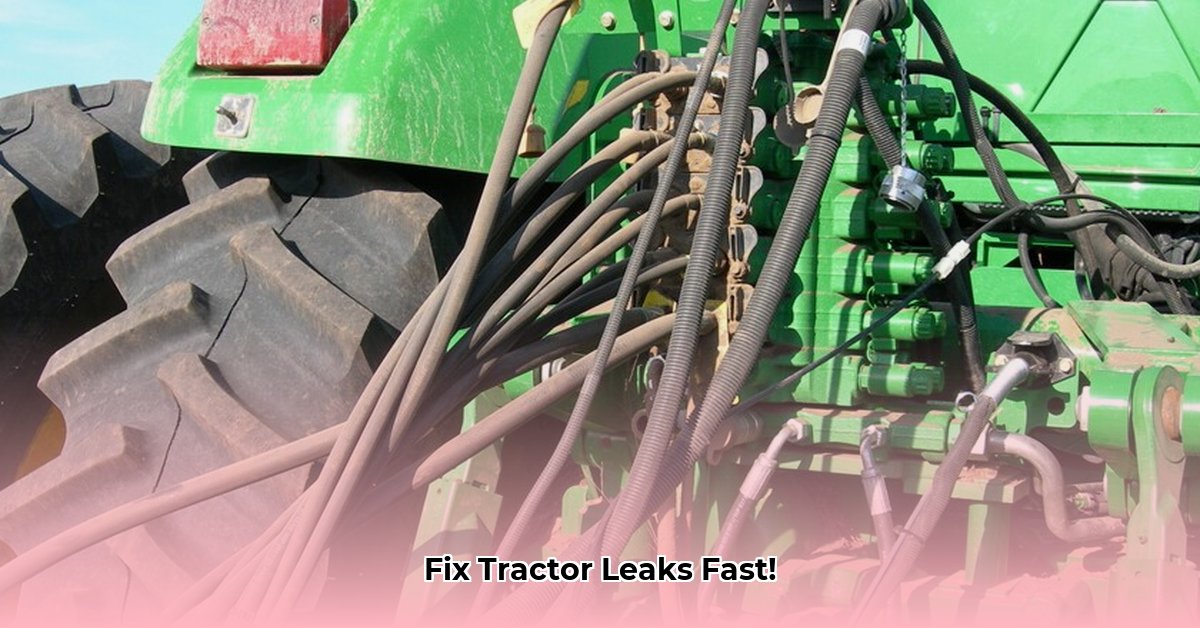
Tractor Hydraulic Hose: Preventing Leaks and Keeping Your Tractor Rolling
Imagine this: harvest season, and a tiny leak in your tractor's hydraulic hose brings everything to a screeching halt. Lost time equals lost money – a scenario no farmer wants to face. This comprehensive guide will equip you with the knowledge and skills to prevent those frustrating leaks, ensuring your tractor keeps rolling. We'll cover everything from selecting the right hoses to troubleshooting common problems and performing essential maintenance. For more in-depth troubleshooting, check out this helpful resource: Tractor Hydraulic Problems.
Understanding Your Tractor's Hydraulic Hose Network
Your tractor's hydraulic system is its lifeblood, and the hydraulic hoses are the crucial arteries and veins delivering pressurized fluid. These hoses power everything from the lift arms to the steering, with different hoses designed for different tasks and pressure levels.
High-Pressure Hoses: These heavy-duty workhorses handle demanding operations like lifting heavy loads with your front-end loader or operating implements requiring significant power (e.g., a backhoe). Think of them as the heavyweight champions of your hydraulic system—built to withstand immense pressure.
Low-Pressure Hoses: These reliable hoses manage tasks like steering and less demanding hydraulic functions. They're the dependable delivery drivers of your system, ensuring smooth, consistent fluid delivery for lower-pressure operations.
Material Matters: The material of a hydraulic hose directly impacts its durability and lifespan. Different materials are suited to different environments and pressure demands.
Rubber: A classic, flexible, and relatively inexpensive option, but less resistant to abrasion and harsh chemicals compared to other choices.
Synthetic Rubber: Offering superior durability and chemical resistance compared to standard rubber. A great balance between performance and cost.
PTFE (Teflon): The high-temperature specialist! Ideal for extreme heat conditions, but less flexible and more costly.
Table 1: Common Tractor Hydraulic Hose Materials and Applications
| Material | Pros | Cons | Ideal Applications |
|---|---|---|---|
| Rubber | Flexible, affordable | Less durable, susceptible to damage | General-purpose, lower-pressure systems |
| Synthetic Rubber | Durable, chemical-resistant | More expensive than rubber | Higher-pressure applications, tough conditions |
| PTFE (Teflon) | High temperature resistance | Expensive, less flexible | Extreme temperatures, high-pressure systems |
Don't underestimate the importance of hose material selection; choosing the wrong one can lead to premature failure. What percentage of hydraulic hose failures are attributed to incorrect material selection? (Research indicates this is a significant contributing factor, although precise numbers vary depending on the study.)
Choosing the Right Hose: A Step-by-Step Guide
Selecting the wrong hose is like using the wrong tool for the job – inefficient and potentially dangerous. Here’s how to select the right one:
Identify the Task: What will the hose be used for? Heavy lifting requires a much higher pressure rating than steering.
Consult Your Manual: Your tractor’s owner's manual specifies the correct hose types and fittings for your specific model. Ignoring this is a recipe for disaster.
Precise Measurement: Accurate measurements of length and diameter are essential. An incorrect size means wasted time and potential compatibility problems.
Consider Environmental Factors: Will the hose be exposed to sunlight, chemicals, or extreme temperatures? Choose a material that can withstand these conditions.
Invest in Quality: While cheaper hoses might seem appealing, they often lead to premature failure, costing you more in the long run.
Installation and Maintenance: Ensuring Smooth Operation
Proper installation and regular maintenance are vital to prevent leaks and extend the life of your hydraulic hoses.
Safe Installation Steps:
Safety First! Always relieve pressure: Before starting any work, completely depressurize the hydraulic system. High-pressure fluid can cause severe injury.
Use the Right Tools: Employ the correct wrenches and pliers to avoid damaging the hose or fittings.
Proper Tightening: Avoid over-tightening, which can crush the hose, and under-tightening, which leads to leaks. A torque wrench is highly recommended.
Regular Inspections: Regularly check your hoses for cracks, bulges, or leaks. Early detection prevents major repairs.
Troubleshooting Common Hydraulic Hose Problems
Leaks: The most common issue, often caused by damaged hoses, loose fittings, or worn connections. Carefully identify the leak source.
Burst Hoses: Usually caused by excessive pressure or damage; replace immediately.
Fitting Problems: Ensure fittings are correctly tightened and free from corrosion.
When to Call a Professional: If you're unsure about any step or if a problem persists, call a qualified mechanic. Prevention is always cheaper than repairs.
Safety First: Always Prioritize Safety
Working with hydraulic systems necessitates caution. Always:
- Wear appropriate safety glasses and gloves.
- Never work on a pressurized system without depressurizing it first.
Conclusion: Maximize Uptime, Minimize Downtime
By prioritizing proper hose selection, installation, and maintenance, you'll significantly reduce costly downtime and extend the lifespan of your hydraulic system. Remember - a little preventative care goes a long way!